Biotechnology · Microbiology · Enzymes · Organic ecological solutions Explore our R&D

Search

An offer for you

Get a discount code from KMVE

Leave your details and KMVE will send a discount code for your next order or consultation.

Your details are used only to send you KMVE offers and are never shared with third parties.

Microbials for agriculture

RACOZYME

The KMVE Bacillus platform is presented across four effect groups: soil treatment, disease-control support, growth stimulation and improved nutrient uptake.
RACOZYME for agriculture
Four core benefits

Feed the soil — protect the plant — optimise nutrition

  • Breaking down organic residue and returning nutrients to the soil.
  • Adding beneficial bacteria and limiting the growth of harmful microbes.
  • Supporting antagonism against pathogenic fungi and bacteria through enzymes and biocompounds.
  • Producing phytohormones such as auxin, gibberellin and cytokinin; supporting roots and biomass.
  • Supporting nitrogen fixation and the breakdown of poorly soluble phosphate and potassium.
Mechanism for soil & plant

A chain of effects starting at the root zone

Organic breakdown

Enzymes that help break down cellulose, protein, lipids and starch.

Adding beneficial bacteria

Increasing the presence of Bacillus KM in the soil microbiome.

Pathogen antagonism

Helping limit Fusarium, Colletotrichum, Phytophthora and the bacteria named in the dossier.

Phytohormone

Auxin, gibberellin and cytokinin supporting growth.

Mineral nutrition

Helping convert N, P and K into forms the plant can absorb.
13,52 mg/L auxin — Bacillus KM 1 per the table in the dossier
519,30 U/L phytase — Bacillus KM 3
840,40 U/L protease — Bacillus KM 3
111,42 U/L cellulase — Bacillus KM 1
RACOZYME trial
Crop trials

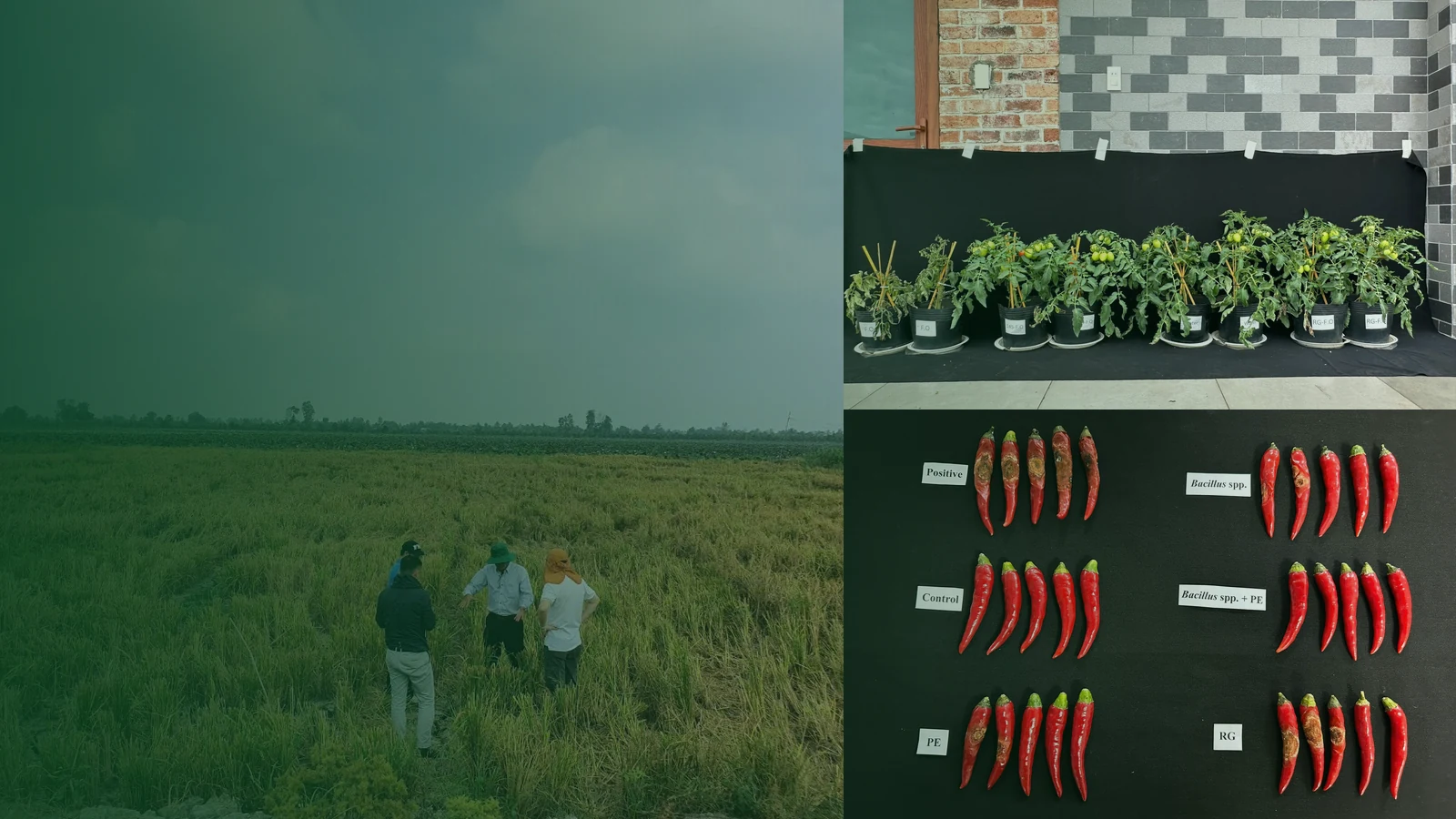
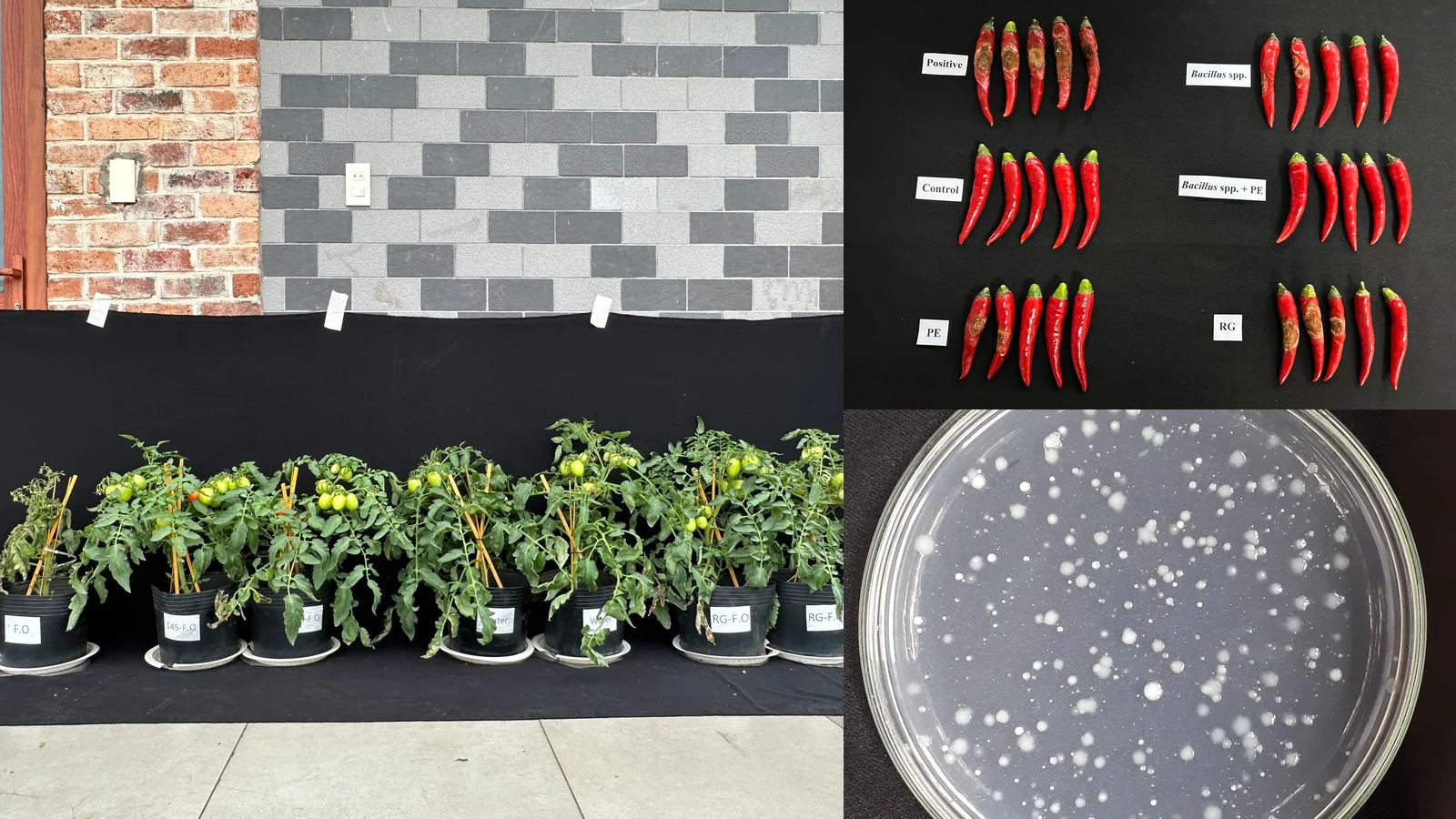
Comparing diseased, control and treated plants

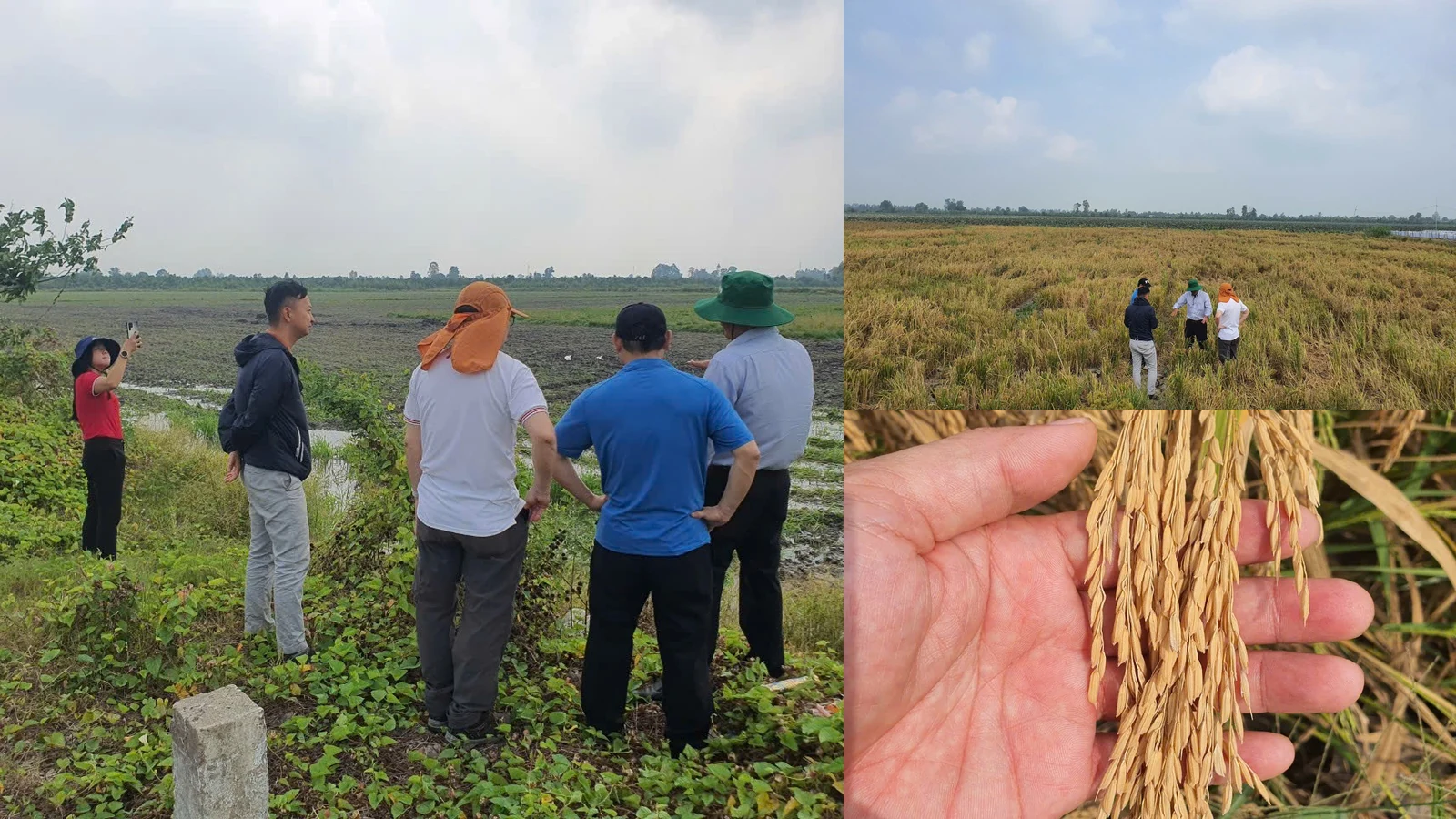
The dossier presents trials on yellowing plants, potato, durian and several field models.

Straw treatment
Agricultural by-products

Treating straw, banana stems, elephant grass and fruit by-products

The slides record day-by-day observations at different treatment concentrations across the organic-breakdown experiments.

Livestock waste
Resource circularity

Turning waste into useful nutrition

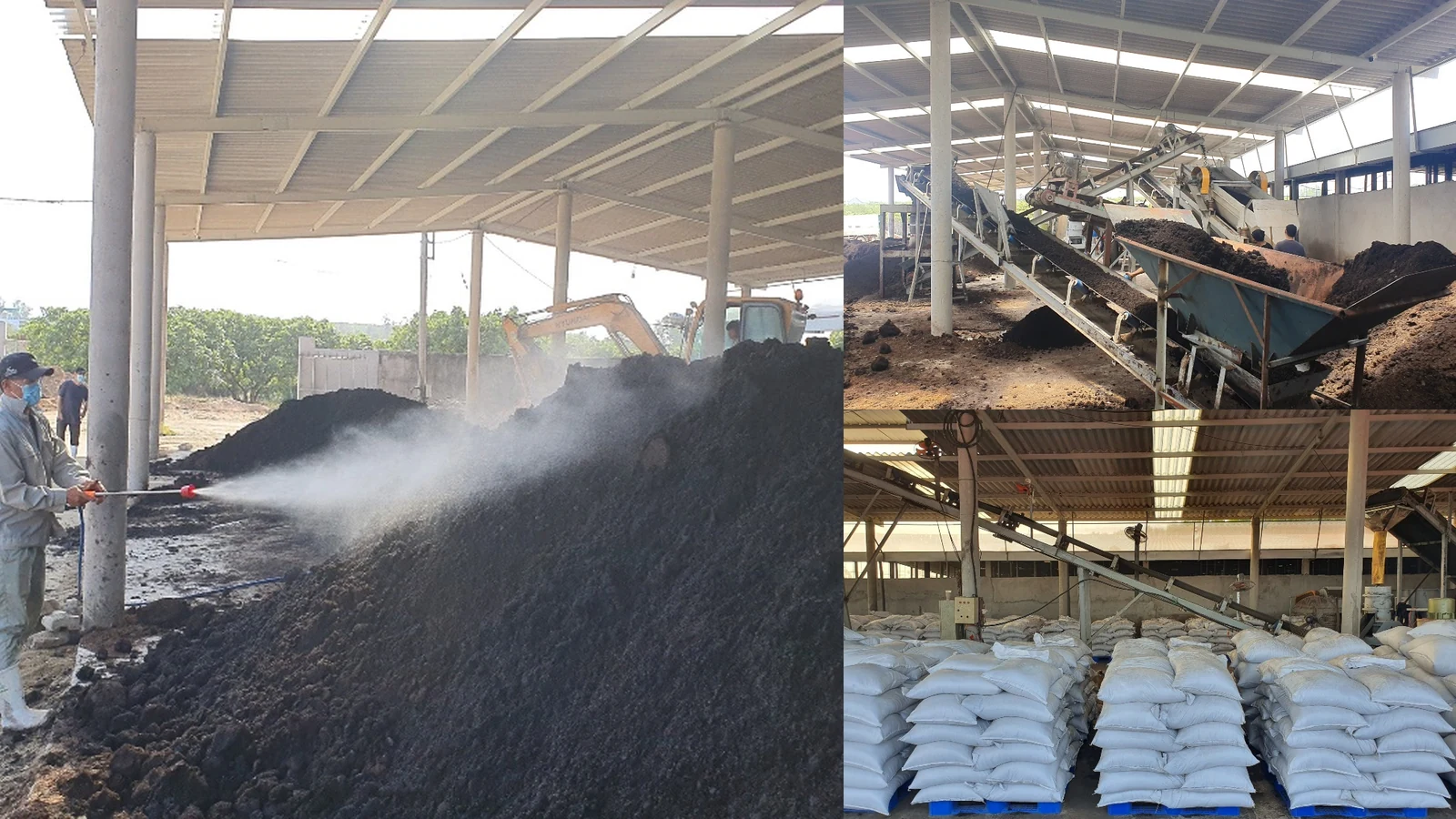
The Trang Linh case is presented at 70 ha, 40,000 pigs and roughly 50 m³ of waste per day.

01 / 03
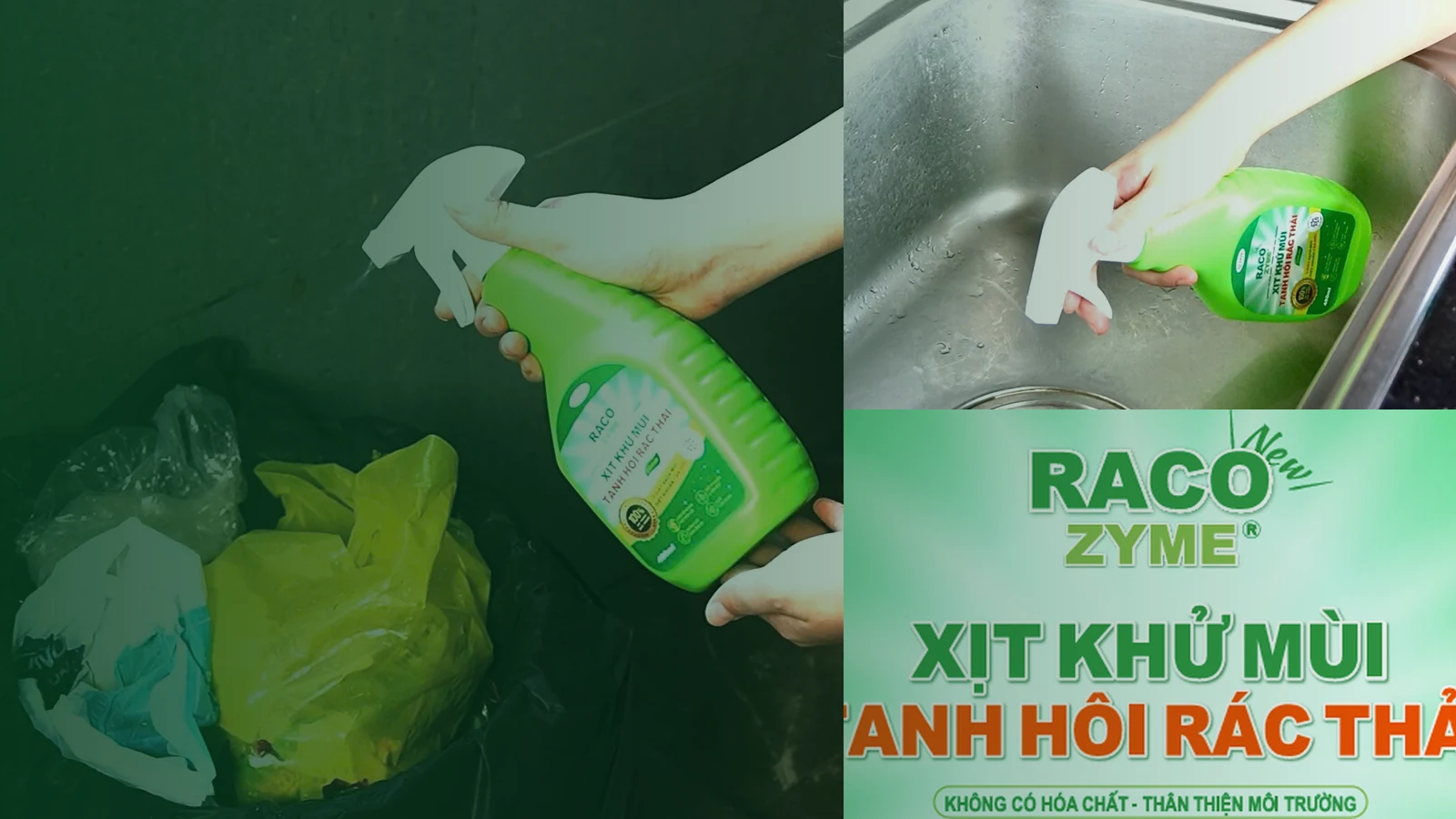
RACOZYME waste odour spray
RACOZYME odour control

Reduce the source of odour instead of masking it

The dossier describes waste odour as an intermediate product of anaerobic decomposition: H2S, mercaptans, volatile amines, volatile fatty acids and NH3.

  • Establishing aerobic dominance with Bacillus spp. spores.
  • Accelerating decomposition with protease, lipase, amylase and esterase.
  • Stabilising the surface with biosurfactant, limiting anaerobic micro-environments.
  • Steering metabolism toward CO₂/H₂O and reducing odour intermediates.

Product copy in this HTML build is edited from the KMVE presentation dossier of January 2026. Claims, dosage and the formal regulatory file must be approved by KMVE before any commercial release.